The costs of flooring in Philadelphia are among those subjects where you'll find various numbers based on where the search is conducted. most of the information available online is or is national average data that does not reflect local labor costs or is unclear enough to make no sense in the context of trying to prepare a budget for a job. The Philadelphia metro has unique pricing dynamics: Union-adjacent markets for labor, older housing stock that often results in subfloor surprise, and a wide variation between floor installers who are budget-friendly and licensed contractors who are insured. Here's a detailed breakdown in the prices for flooring installation across the city and surrounding counties as of right now.
1. LVP Installation Is Your Most Affordable Starting Point
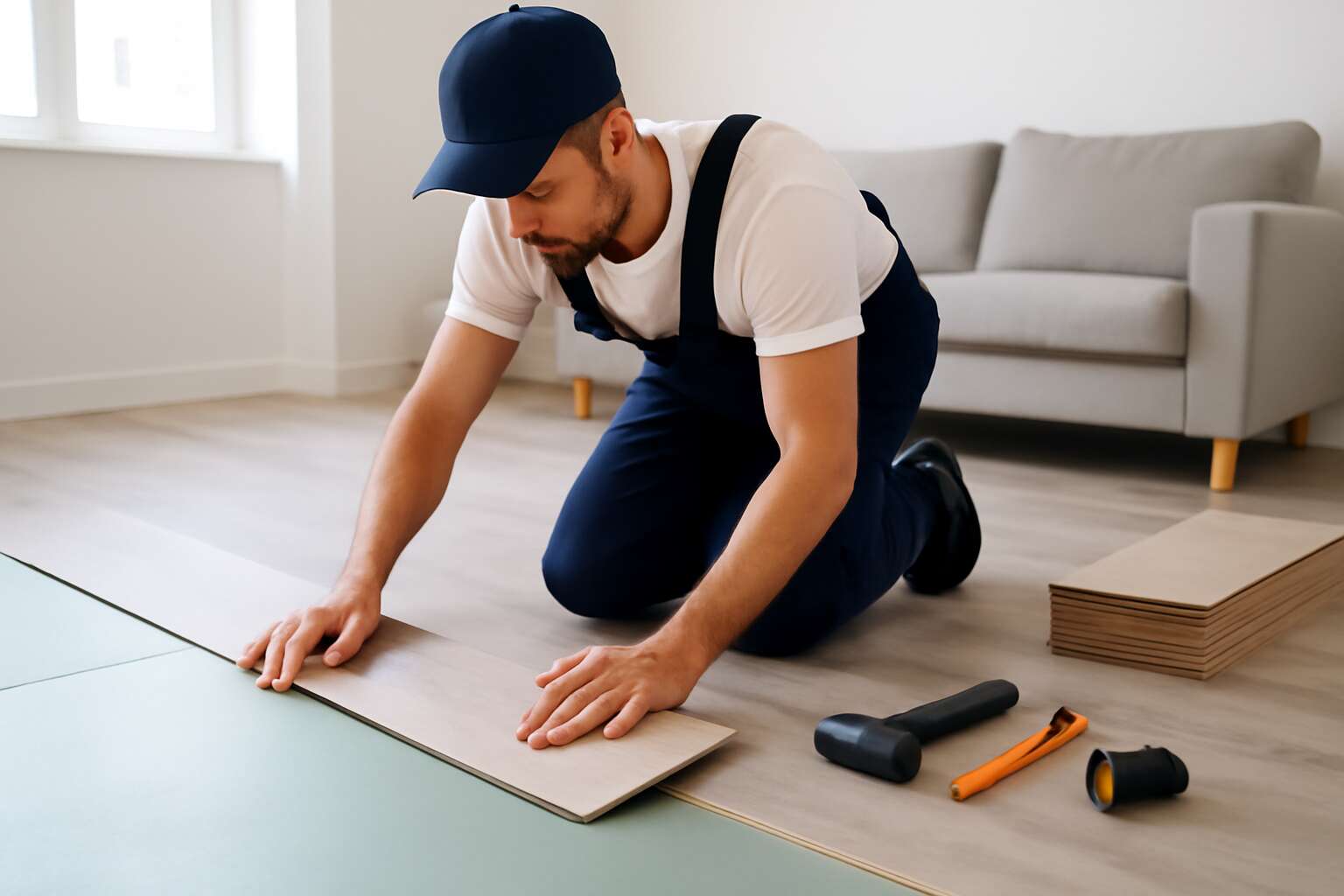
Luxury vinyl planks are consistently the most affordable option for installation in Philadelphia. The majority of LVP flooring suppliers have their prices in the range of $2.50 up to $4.50 per square foot for labor alone while mid-range LVP material costing a further $2-$5 on a square foot. In total, a typical space runs $4.50 to $9 for each square foot installed. It's easy to install, require minimal subfloor preparation in most cases, and floating process reduces labor-time significantly compared to nail-down or glue-down alternatives.
2. The installation of hardwood is more expensiveand for good reason!
Solid hardwood flooring in Philadelphia typically runs $6 to the square foot for labor. for labor, depending on the method used to install it and the contractor. Nail-down hardwood sits at the higher end due to it requires more specificity, precision in subfloor depth as well as a longer installation time. It is a good idea to glue down hardwood onto concrete slabs. has additional material costs associated with adhesive. The type of wood used for glue-down varies greatly and budget hardwood begins at a price of around $3 a square foot and the highest quality species like white oak or hickory can range from $10-$14 per square foot prior to the nail is inserted.
3. Hardwood Refinishing Is Cheaper Than Replacement -- Typically
If your hardwood floors are solid and structurally sound flooring sanding and refinishing in Philadelphia generally costs $3 to $3 per square footmuch less than ripping the floor and replacing. Custom wood staining for refinishing costs more but is less expensive than a new installation. The caveat is that floors which were refinished repeatedly or are prone to water damage or aren't strong enough to be refinished aren't usually suitable for refinishing. An honest assessment by a licensed flooring installer will reveal which side that line you're on.
4. Tile Installations entail a greater Standard of Work
Ceramic tile and porcelain installation is an extremely labor-intensive flooring area. Philadelphia flooring contractors usually charge between $7 and $14 per square foot for labor to install tile. Ceramic tiles are on the higher cost due to the cutting difficulty. A large size tile with diagonal lines and bathroom tile installations that have borders or niches drive costs even higher. Material costs vary from $1.50 /square foot for ceramic tiles to up to $15 for premium-quality porcelain. If you've been given a suspiciously low tile price Ask specifically what's included.
5. Laminate Installation Doesn't Work Between LVP and Hardwood
Installing laminate flooring in Philadelphia generally ranges between $3 and $6 per square feet of flooring including the materials at the upper end of the range. It's a floating floor similar to LVP thus the costs for labor will be the same, however laminate is more difficult to work with on uneven subfloors and more vulnerable to moisture, which affects where it can realistically move in the Philadelphia home. Cheap flooring installation quotes often have laminate flooring, and it's not always the best option in the context of the space.
6. Subfloor Repair Is a Wildcard That catches homeowners off guard
This is the line item that eats into budgets most of the time. Subfloor repair in Philadelphia including patching holes, leveling, or replacing areas of old-fashioned board subfloor may cost between one to three dollars per square foot. This will be added to your flooring installation cost, sometimes more. Older homes in Kensington, Germantown, West Philly and areas similar to them are more susceptible to this. Any flooring estimate that doesn't include a subfloor study prior to providing you with a final figure is to be viewed with caution.
7. Location Within the Metro Influences Your Quote
The costs for flooring installation to install flooring in Bucks County, Montgomery County, Delaware County, and South Jersey aren't dramatically different from Philadelphia for the most part, however there are slight differences. Suburban contractors usually have less costs of overhead, while city jobs sometimes require access or parking. If you're drawing quotes across many counties, ensure you're comparing similar items included. Materials prepping subfloors along with furniture moving, haul-away services are governed differently by different contractors.
8. Getting Multiple Free Flooring Estimates Is Non-Negotiable
The most reputable flooring companies in Philadelphia provide free estimates. Make sure to get at least three estimates before you commit to anything. The difference between the cheapest to the highest quote for the same job can range from 30-40 percent and the cheapest quote is certainly not the only option as neither is being the most expensive always the best. What you're assessing is whether the contractor has actually assessed the subfloor's condition, understood its nature of the job, and priced accordingly.
9. Engineered Wood is a Great Mid-Price Point
Engineered hardwood installation in Philadelphia generally costs between $5 and $9 for each square foot -- lower that solid hardwood, and more than LVP and boasts advantages that make it the ideal choice in multitude of situations. It's worth asking any flooring professional you talk with to include the option of engineered wood on the estimate they provide if you're stuck between vinyl and solid wood plank.
10. The lowest-priced offer rarely has contact with the actual job
Experienced Philadelphia homeowners can reveal this tale based on their personal experience. A quote that seems to be below market usually means something isn't included: subfloor work foundations, transitions, baseboards or the proper acclimation of the material. Certified flooring installers incorporate these factors into their estimates because they are aware of the job requires them. Unlicensed budget managers allow them to be included in the bid, and then show to the client as add-ons once work has begun. Document everything before anyone gets started pulling off your floors. Follow the recommended
LVP flooring contractors Philadelphia for blog examples including hardwood floor installation Bucks County, hardwood floor installation South Jersey, luxury vinyl plank installation Philadelphia, hardwood floor refinishing cost Philadelphia, licensed flooring installers Philadelphia, LVP flooring Philadelphia PA, kitchen tile flooring Philadelphia, flooring contractors Bucks County, hardwood floor installation South Jersey, cheap flooring installation Philadelphia and more.
Waterproof Flooring Options For Philadelphia Bathrooms
Bathrooms are also where flooring choices offer the least room for error. In every other room of the Philadelphia house can take flooring that's water-resistant and a bathroom isn't. Showers' steam, the water around the bases of toilets and splash zones around sinks, and the general humidity creates in a bathroom will find every weakness in flooring that's not waterproof. Philadelphia homes also have other issues such as subfloors with a history that be leaking moisture or even bathrooms that weren't updated since the 1970s, and in many rowhomes bathrooms that are stacked over finished living spaces where a flooring malfunction could create a ceiling issue downstairs. This is what does and doesn't work, and what to ask before putting any bathroom flooring into.
1. Porcelain Tile remains the Benchmark The Rest of the Tiles Get Compared
There's reason why porcelain tile has been the default bathroom flooring for decades -- it's impervious against water at the floor, able to withstand humidity and heat without deteriorating it, and with the right installation and grout sealing, it will far outlast other flooring options even in humid conditions. Porcelain tile installation for Philadelphia bathrooms is the choice that has the longest documented track record. The drawbacks are evidentfreezing underfoot, rough on joints, maintenance of grout necessary -- but none of the other materials can compete with its performance in waterproofing and durability in a bathroom setting.
2. Ceramic Tile is a Suitable Option, Not a Comparable Alternative
Porcelain and Ceramic are frequently discussed interchangeably but they aren't the same thing in the context of bathroom. It is less porous than porcelain, and this is essential in rooms where moisture is consistent rather than the occasional. For a bathroom with a powderroom or a low-use guest bathroom ceramic tile flooring can be a practical as well as a more affordable option. If you are looking to renovate a bathroom that is the primary one in the Philadelphia house that has daily shower use, the density and resistance to moisture is more than worth the cost for each square foot. Installation is the same but the performance over time isn't.
3. LVP is the Most Practical alternative to tile that is waterproof.
Luxury vinyl flooring has made its mark in discussions about bathroom flooring. The flooring is 100 percent waterproof. The core does not absorb water, and the surface doesn't degrade when exposed to the exposure of moisture, and it's warmer and more comfortable underfoot than tiles. The installation caveat for bathrooms is that LVP's waterproofing will only apply to the planks in themselves, only not to any seams that connect the planks. Bathrooms with high water exposure, such as a walk-in shower without a proper barrier, a bathtub that is freestanding the water could make its way between planks, and ultimately reach the floor. An appropriate installation technique and seam sealing are important more than in any other area.
4. Laminate in a Bathroom is the One You'll Remember
This must be stated without ambiguity since laminate shows up among bathroom flooring plans typically because of its lower cost. Laminate has a wood-fiber based core. Wood fiber and continuous bathroom moisture are not compatible. The edges are swollen, gaps expand, the layer separates, and the devastation accelerates in bathrooms faster than in any other room of the house. Installing cheap flooring laminate in the Philadelphia bathroom isn't a bargain -- it's an installation that's been delayed for some years. If a flooring contractor recommends laminate as a primary bathroom flooring should be questioned directly about what the reasoning behind it is.
5. The subfloor beneath a Philadelphia Bathroom needs a fair assessment
Older Philadelphia rowhomes and suburban colonials usually have bath subfloors containing historical moisture issues -- prior leak staining and soft spots that result from years of exposure to water or even original boards which have taken in more water than they ought to over time. Installing new, waterproof flooring over a subfloor that's damaged won't fix any of the issues, but it just covers it and allows it to degrade. Subfloor repair in Philadelphia bathrooms prior to the installation of new flooring is laid down isn't an upsell -- it's essential for the new floor to perform as it should and not fall apart prematurely.
6. Floor Heating Compatibility varies by Material
Heating floors in bathrooms -- now well-liked and popular Montgomery County and Delaware County home improvements -- isn't compatible with every flooring. Porcelain tiles conduct and retain heat efficiently, making it the perfect flooring option over an heated subfloor. LVP is compatible with radiant heating, however it has temperature limits that need to be respected -- excessive heat could result in distortion of the dimensions. If the heating of your bathroom is an aspect of your renovation, the flooring selection and the heating system's design need be made in consultation with each other, not in isolation.
7. Bathroom Tile Layout Can Affect Both Appearance and Water Management
This is a distinction that makes experienced tile flooring contractors from installers who simply know how to set tile. Bathroom floors need a slight slope toward the drain -- usually 1/4 inch per foot -in order to prevent standing water. Tile designs that do not account for this, or will fight it with large-format tiles that bridge the slope can lead to the problem of pooling and eventually works into the subfloor. The conversation about layout with your contractor should consider how the tile pattern is interacted with the drain location, rather than just how it appears on paper.
8. Grout Selection in Bathrooms Is an important choice
Standard sanded and polished grout in bathrooms should be sealed during installation and periodic sealing throughout its life. Epoxy grout, which is more durable is more expensive, but also less accommodating to installIt is almost impervious staining, moisture, and water and doesn't require sealing. For Philadelphia bathroom tile installations, where the homeowner wants minimal maintenance epoxy grout is worth the additional cost in labor. For homeowners committed to regular maintenance of their grouts, standard grout, sealed properly. The problem is that it's standard grout that never gets sealed in bathrooms with high moisture environment.
9. Small Format Tiles Help Bathroom Floor Slopes Much Better
The current trend of large-format tile, 24x24 or larger -- which works well in living spaces and kitchens presents practical issues for bathrooms. Larger tiles are harder to tilt towards drains without creating noticeable unevenness. In addition, they require exceptionally flat subfloors to prevent lippage. Smaller format tiles 12-x12 inches and below and particularly mosaic tiles conform to the contours of a bathroom floor more naturally. They manage the drain slope with more ease and have more grout lines which actually improve slip resistance when wet. Philadelphia tile flooring contractors with extensive bathroom experience will talk about this topic before designs are decided upon.
10. Bathroom Flooring and Wall Tiles Need to Be Specified Together
An error that creates aesthetic regret, more so than functional issues. But it's essential to avoid both. Wall tile interact visually inside a restricted space in ways that can be difficult to discern by looking at samples on their own. The pattern's direction, scale, grout color, and finishing all require consideration together. Flooring contractors who also handle the installation of bathroom tiles Philadelphia work can co-ordinate this. Contractors who only handle flooring and leave wall tile to a separate contractor can create situations where it appears that two different individuals made the decisions independently -- because they did. View the most popular Read the top rated hardwood flooring Philadelphia for site info including tile flooring installation Philadelphia, laminate flooring installation Philadelphia, floor installation Bucks County PA, flooring installation near me Philadelphia, porcelain tile installation Philadelphia, luxury vinyl flooring Philadelphia, LVP flooring installation Philadelphia, hardwood floor refinishing Philadelphia, hardwood floor installation South Jersey, LVP flooring contractors Philadelphia and more.
